
Museums and Visitor engagement during the times of a Pandemic
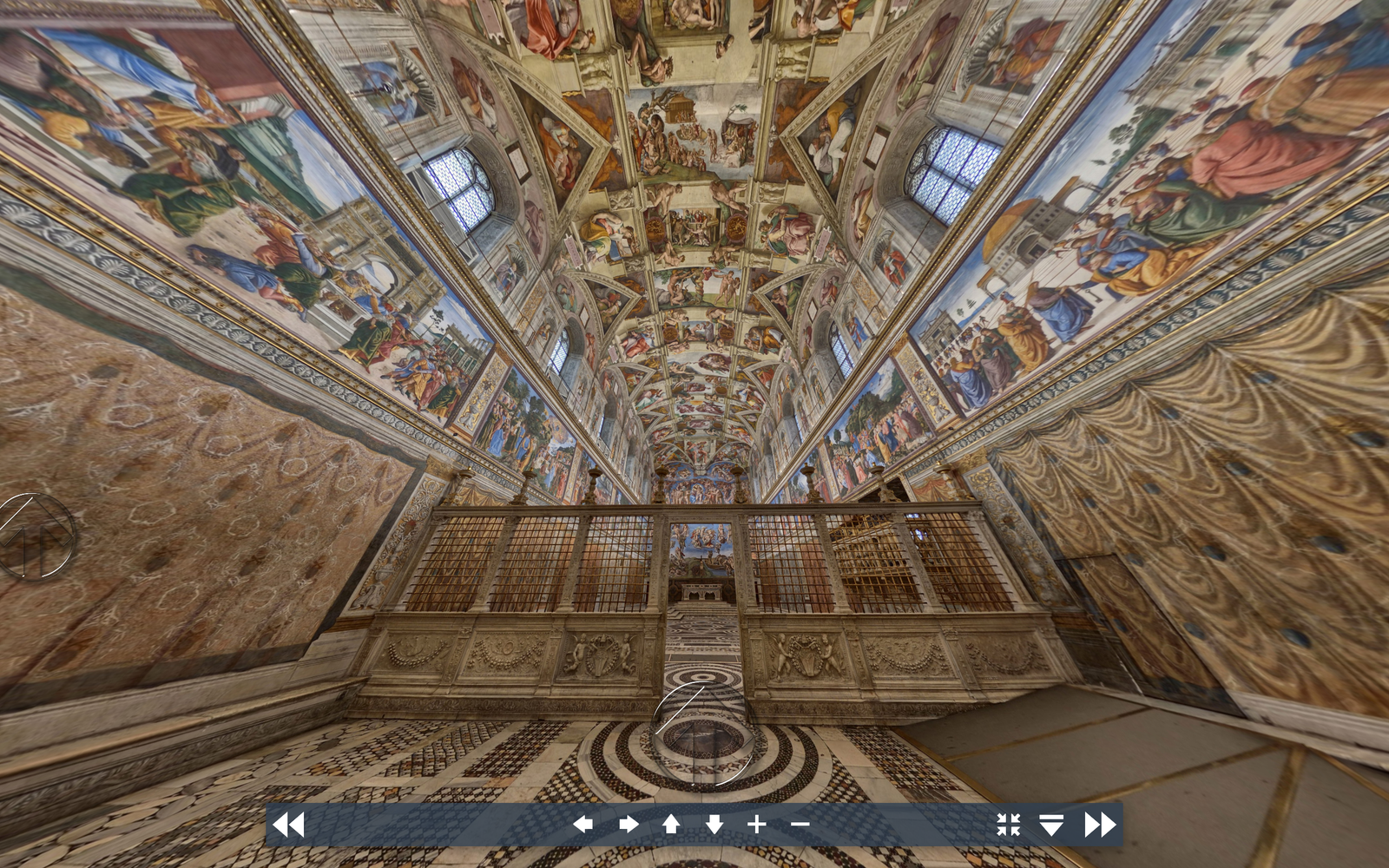
Vatican Museum Tour (http://www.museivaticani.va/content/museivaticani/en/collezioni/musei/cappella-sistina/tour-virtuale.html)
For a very long time, Museums were seen as spaces where the visitors were needed to be physically present to understand the various artifacts present. The definition of a Museum itself was about being an “institution that cares for a collection of artifacts and other objects of artistic, cultural, historical, or scientific importance”. With the shift in time, a Museum space is now no longer just about being a collection of objects and artifacts but also about how a visitor interacts with the Museum space. Museums and galleries are now incorporating modern technology and creating experiences that are no longer limited to reading a placard or a panel. However, as the world gets affected by the COVID – 19 Pandemic, the accessibility of these spaces has drastically reduced or stopped as they have been shut. As visitors are forced to stay indoors in times like these, Museums have come up with virtual tours that allow them to visit these institutions virtually. Individually and/or partnered with Google Arts and Culture and Google Street Views, the visitors can now not just sit and look at a piece of work for hours but can even do it at any time of the day due to these platforms. The experience of physically being present in a museum may not seem to fit here, but the virtual engagement lets a person look more deeply into the details, without leaving any scope for interference from other (selfie-taking) visitors. Although going digital may not create the same satisfactory alternative to experiencing a Museum in the real world, Museums are undertaking various initiatives through social platforms to keep the Museum visiting crowd engaged. Livestreaming of workshops, artist talks, an opportunity for 360-degree photography, online puzzles and collaboration with other Museum platforms are just some of the various activities to grab the attention of this crowd and to encourage the most popular message of the Pandemic #stayathome.
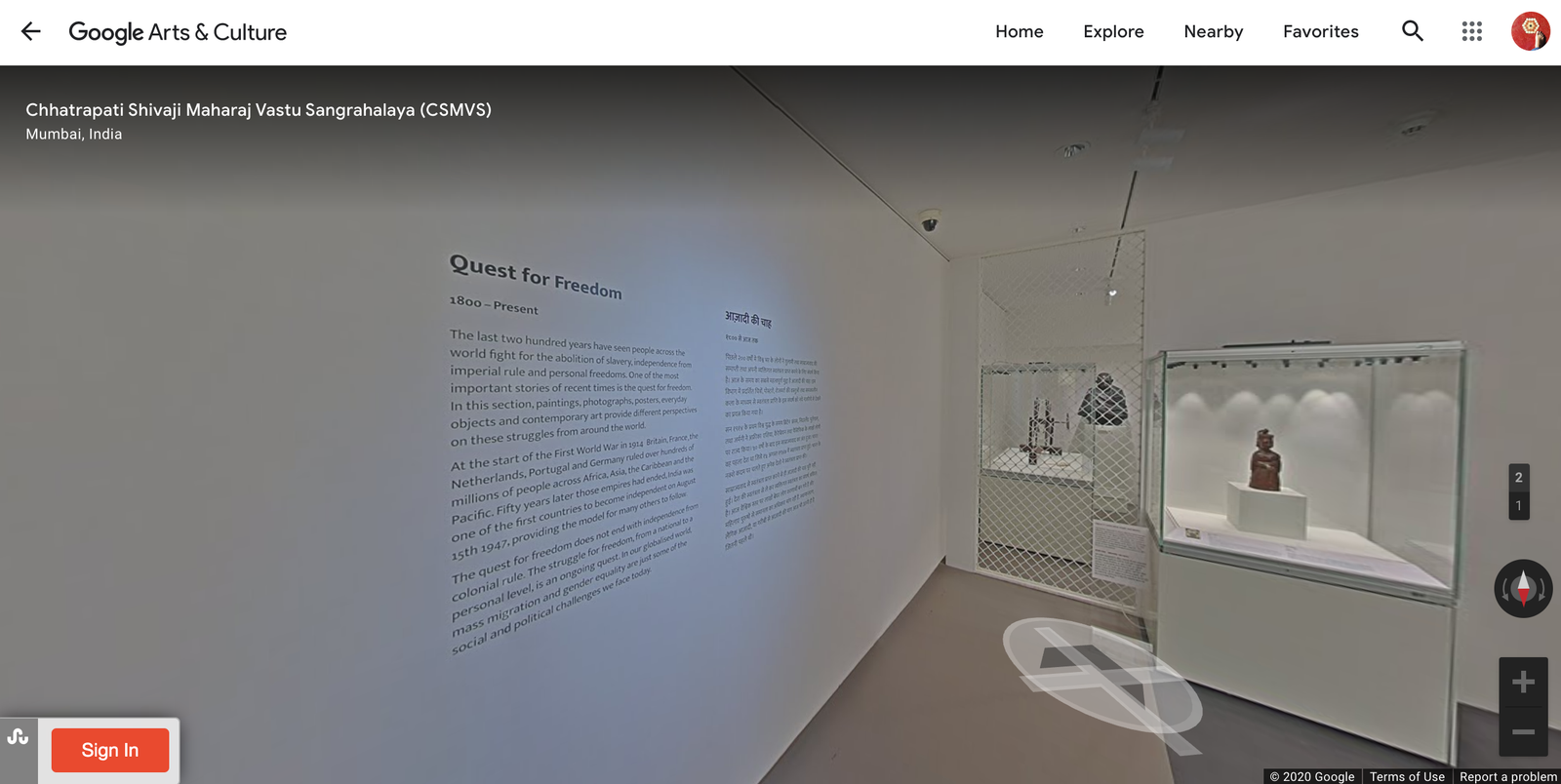
Chhatrapati Shivaji Maharaj Vastu Sangrahalaya (CSMVS) Mumbai (https://artsandculture.google.com/streetview/india-and-the-world-level-2)
With the spread of the Pandemic, for designers, and researchers, it becomes a challenging aspect on how to ensure the continuous functioning of a space such as a Museum where not just co-learning takes place but the content within has to be maintained for the future viewers. Repetition of content can be a loophole when it comes to bringing out the Museum on a social platform. Researchers and Graphic designers can work together to create interesting and engaging data that caters to different age groups while on the other hand, even space designers can work with interaction designers along with the former two to create virtual experiences that help the viewer remember information in a better manner and to create a different experience every time. The COVID-19 Pandemic has occurred at a time when technology and accessibility of information are all over the place, yet not specifically always where it has to be. In a time when Museums are specifically looked at as places that need to be visited to be understood, the Pandemic brings an assurance towards re-looking at this aspect by providing an opportunity to make these spaces digitally accessible to a far greater audience, perhaps in a way that physical accessibility doesn’t.
(This perspective was originally written by Namita Kalve. Namita heads Content Research at Lokusdesign. She’s a pro at using Photography as a tool in Research. A movie buff, she also loves travelling and listening to the radio.)