VZY | 2 - 3X Scalability potential unlocked

The Business Challenge
Honeywell Building Solutions operates in a complex B2B buying environment involving users, purchasers and influencers, yet its communication was disproportionately focused on the purchaser.
The result was a fundamental value gap: Honeywell was recognised for technical capability and premium quality, but the business value behind that premium was not consistently understood across the decision-making chain.
This created friction in three critical areas:
The commercial opportunity was therefore not to make Honeywell’s communication more attractive. It was to make the value of choosing Honeywell easier to understand, justify, and act upon.
The Strategic Shift
Lokusdesign reframed from product communication to value communication.
The central question became: How do you make a complex B2B proposition relevant to every decision-maker and make premium value easier to justify?
Lokusdesign decoded the business across customer segments, competitors, service offerings, customer behaviour, communication gaps, complaints, and escalation points. This revealed where the customer journey was losing clarity and where different stakeholders needed fundamentally different reasons to believe.
The Business Intervention
A multi-audience communication strategy was developed around value and outcomes rather than features and price.
The framework connected: Stakeholder → Need → Value → Proof → Decision
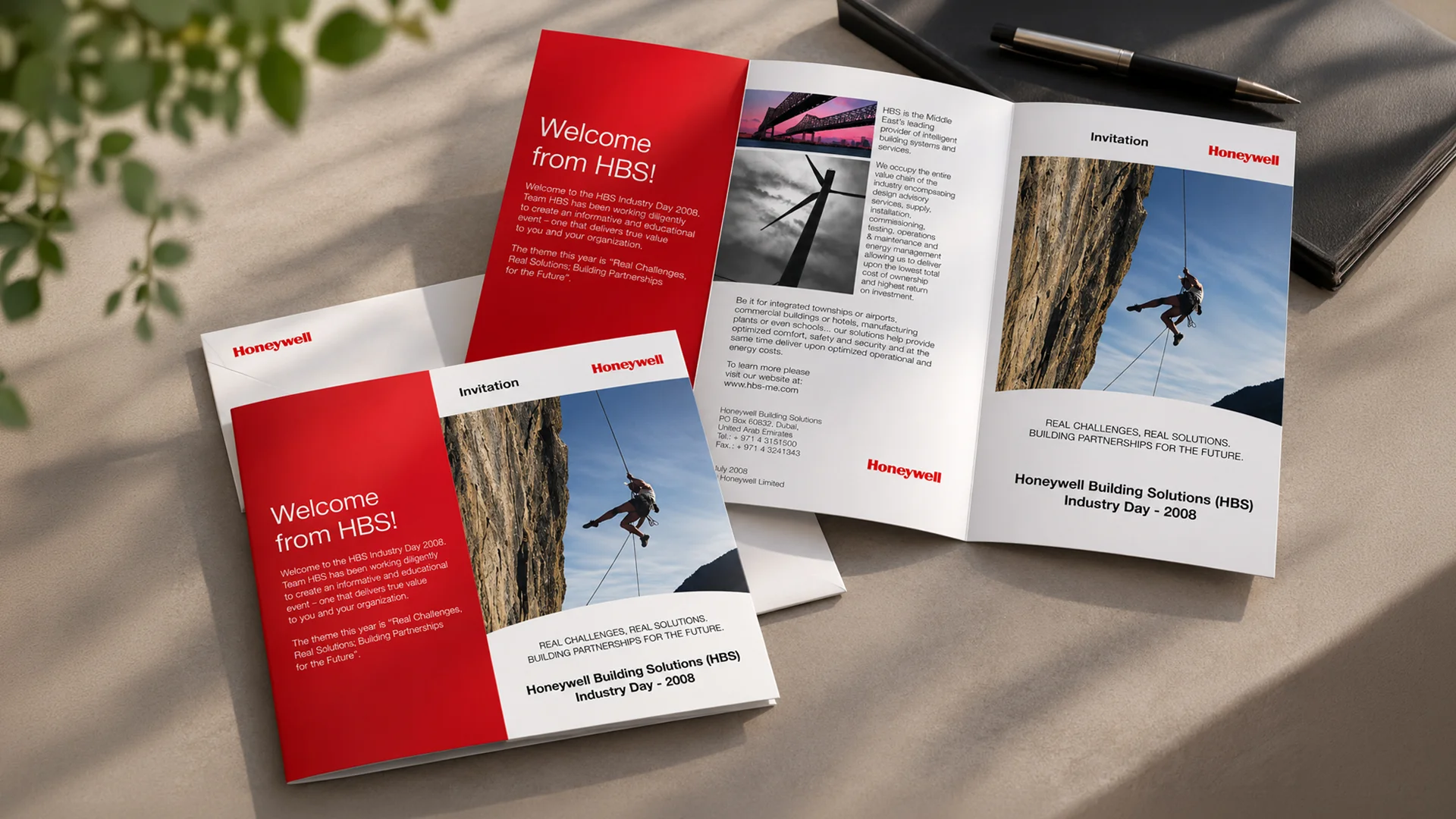
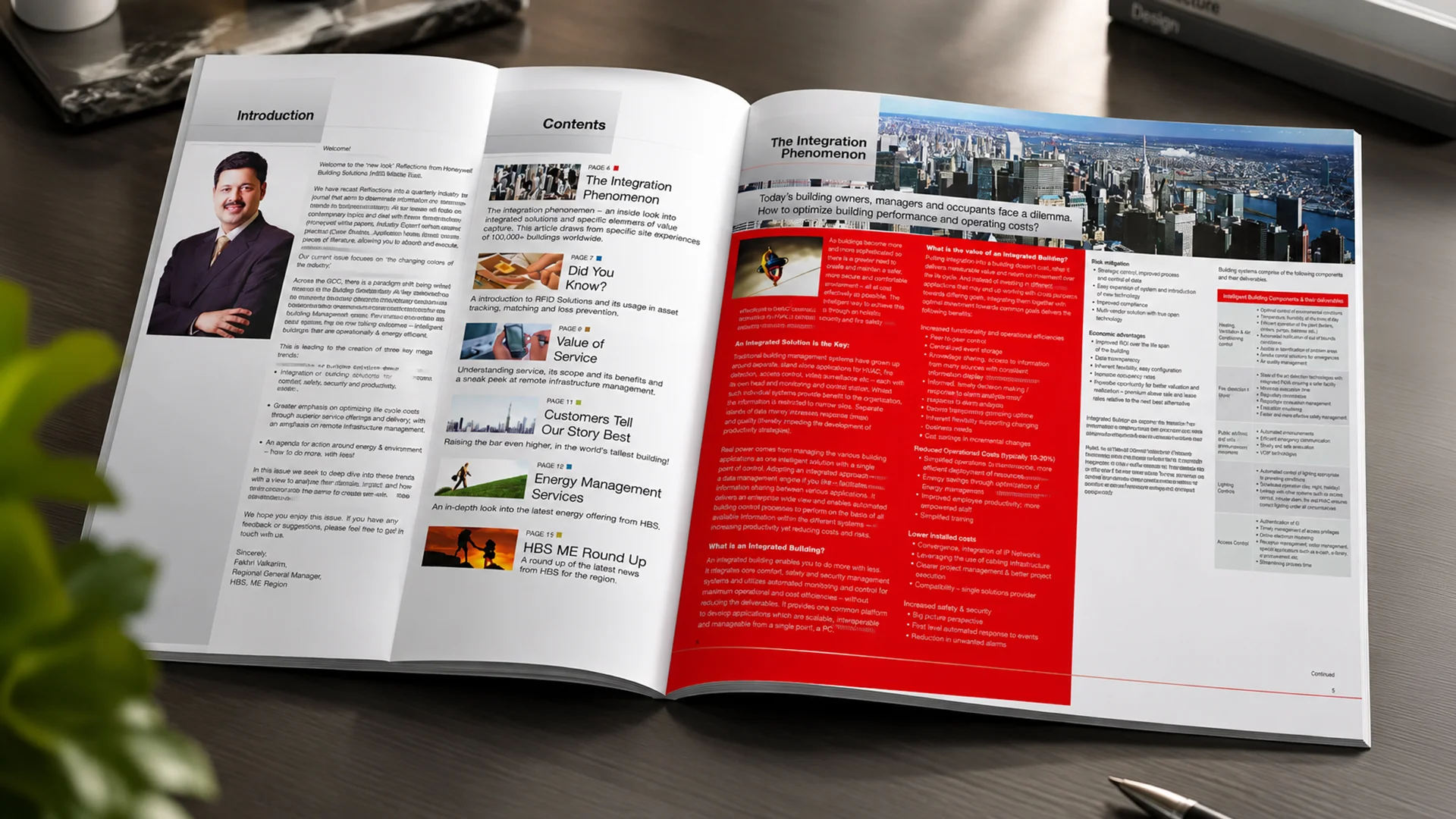
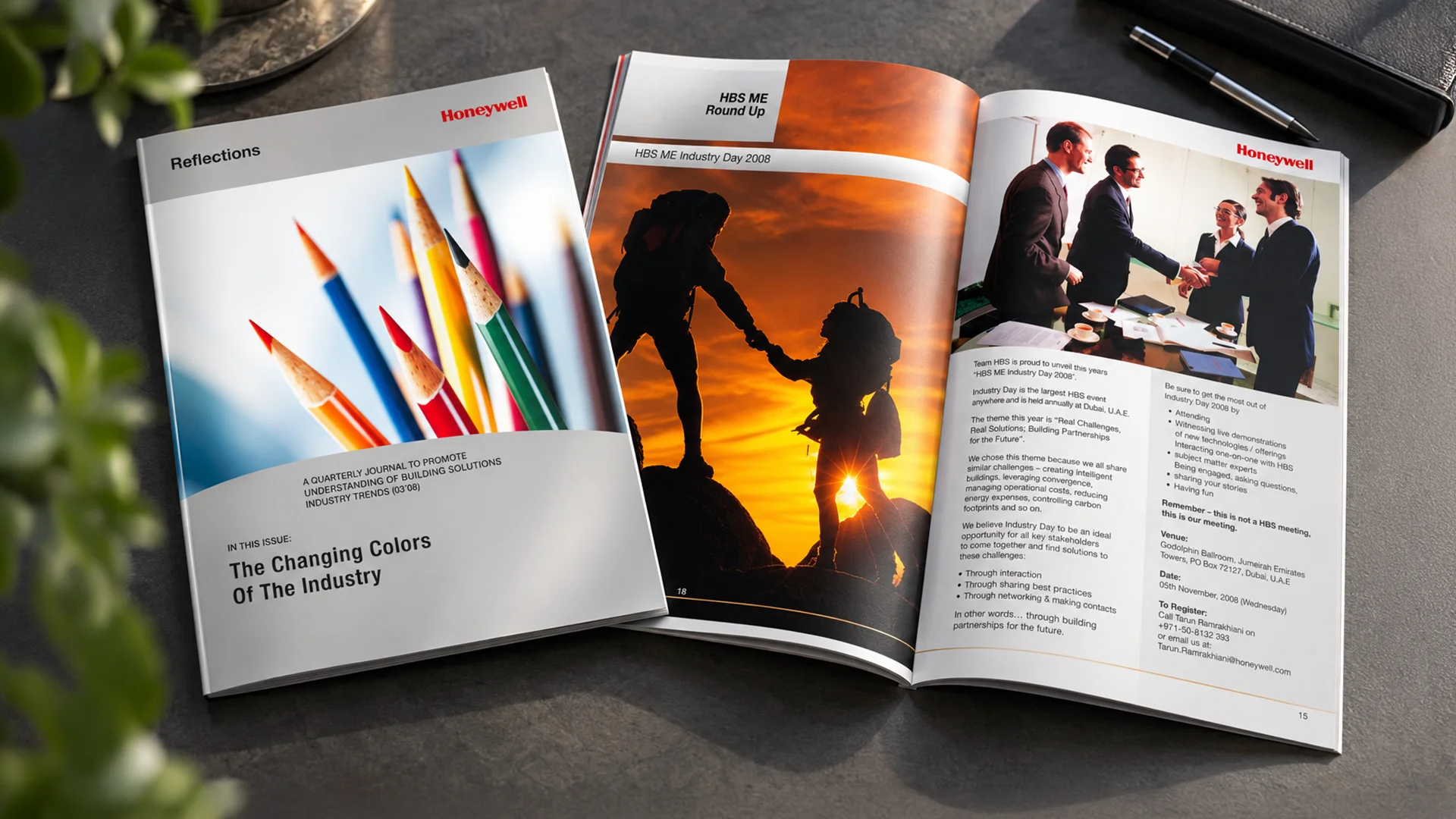
Technical capabilities were translated into clearer business benefits, while the brand system created consistency across the customer journey.
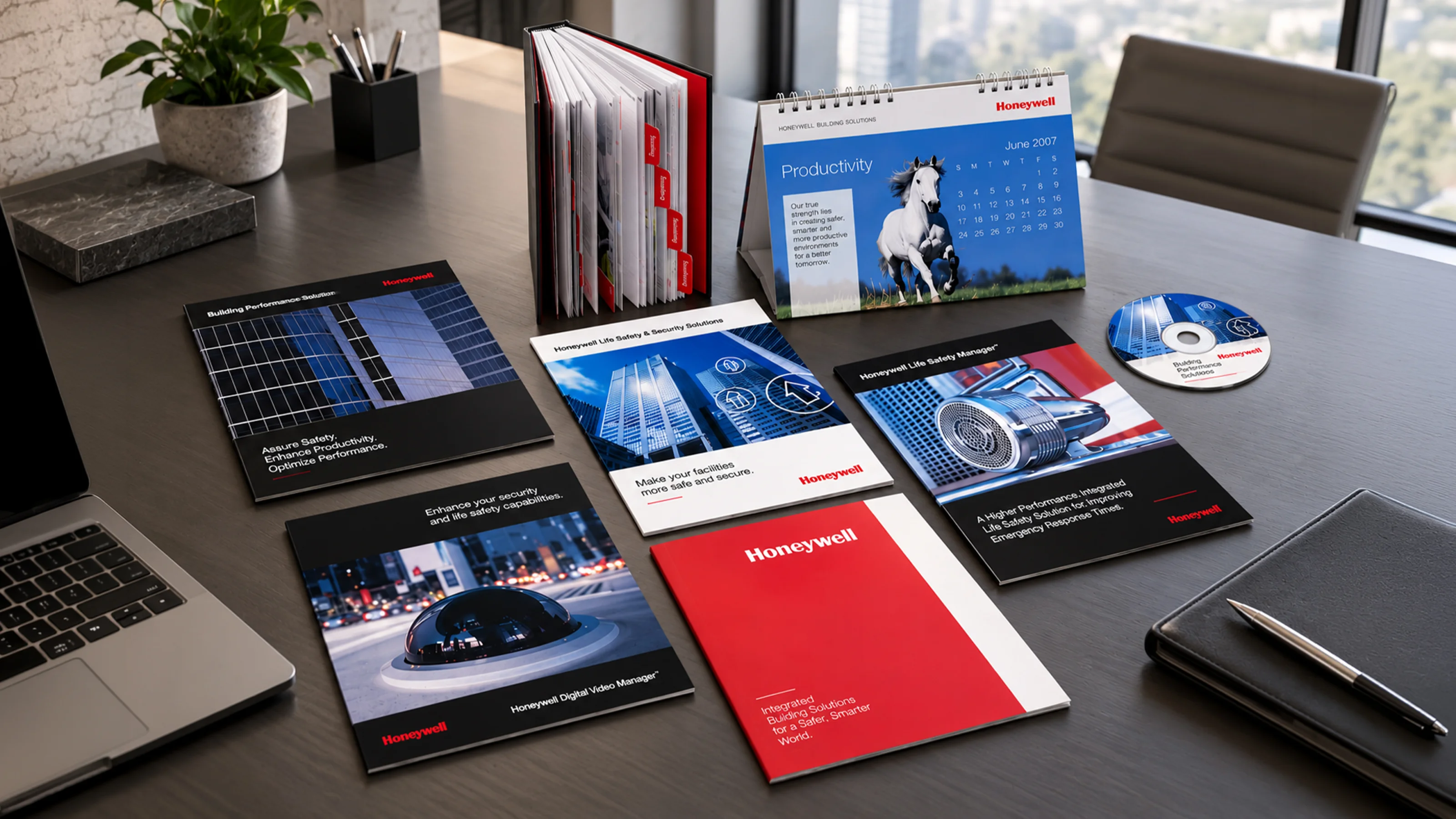
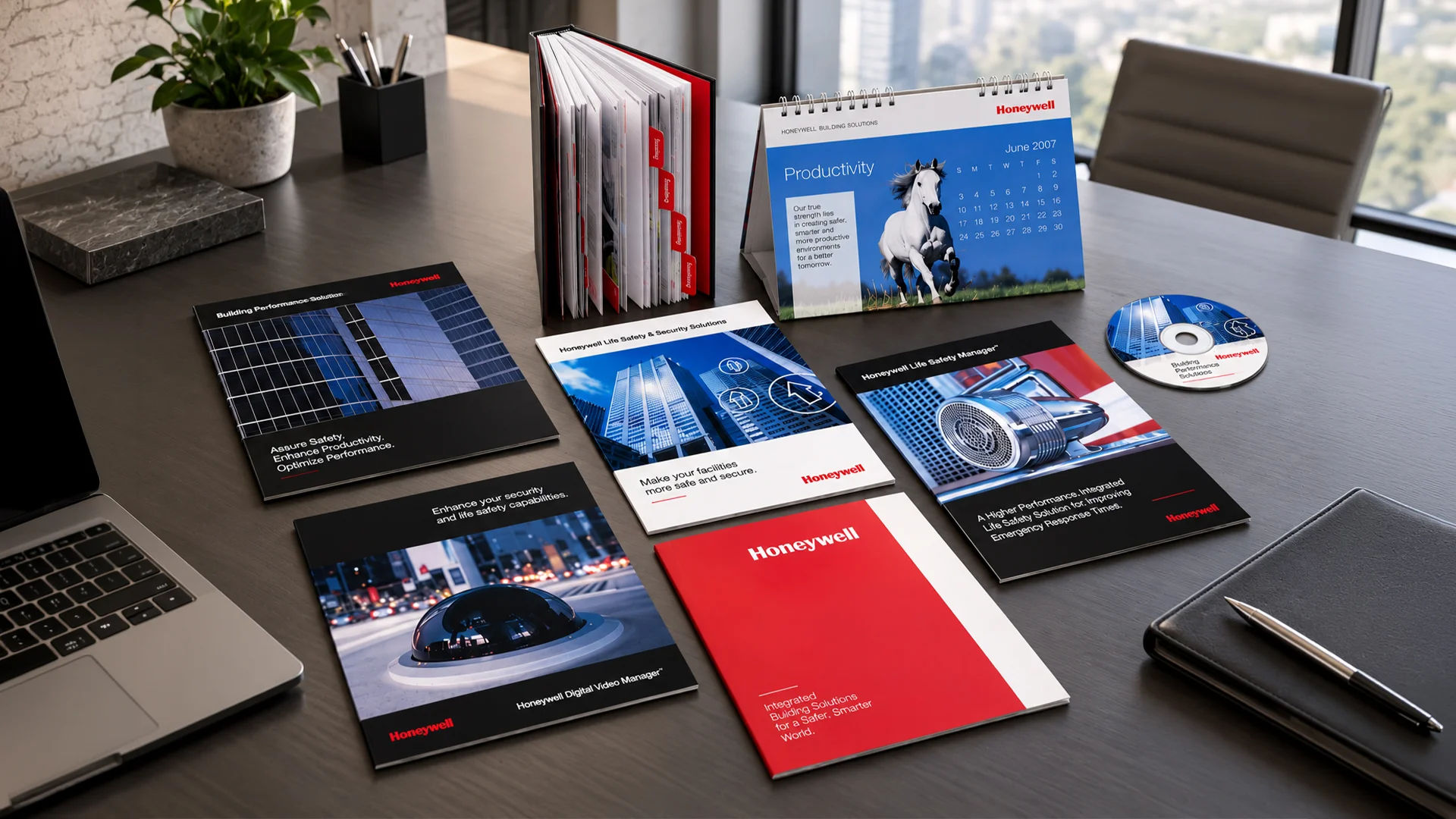
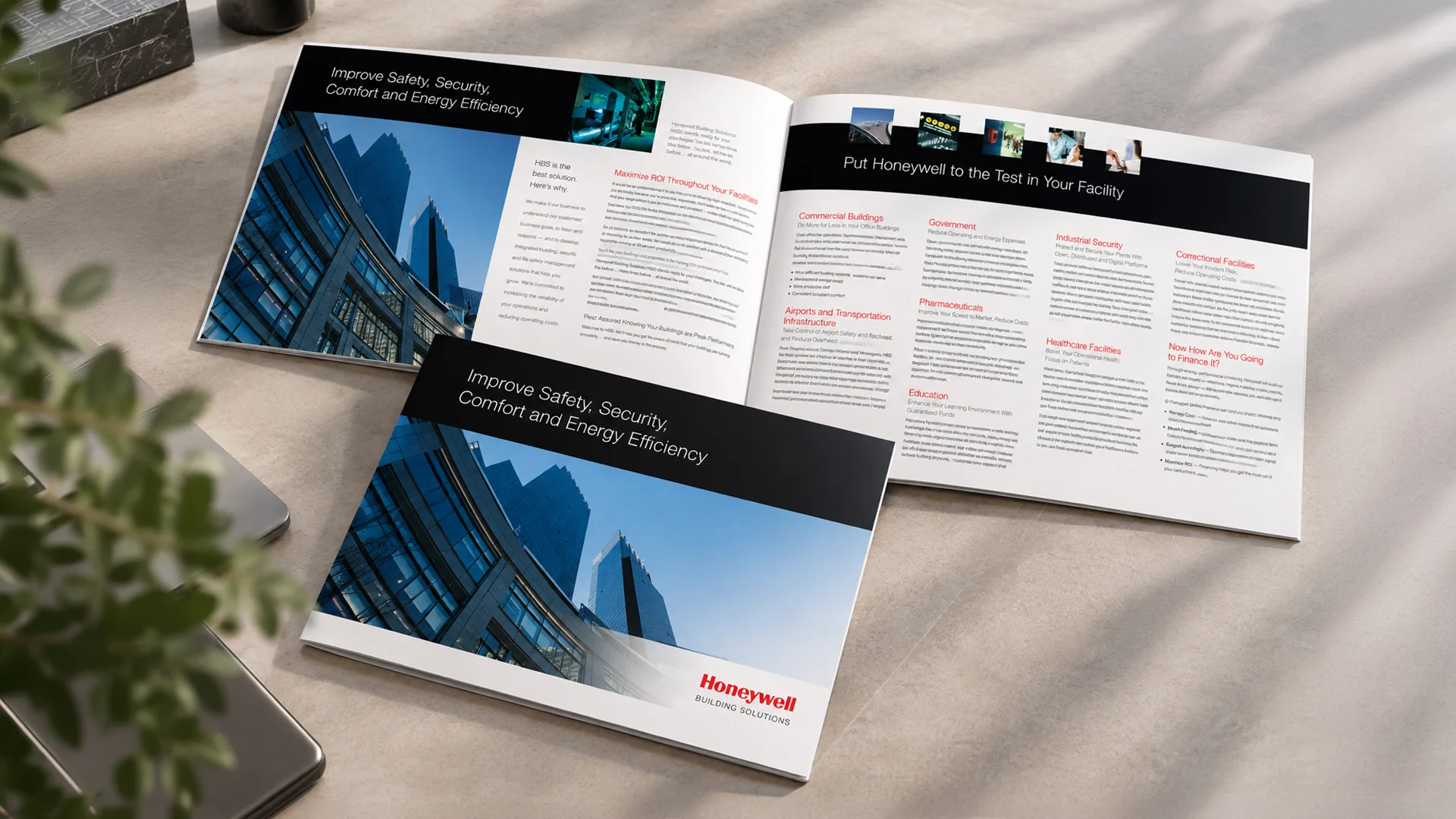
Lokusdesign then built the strategy into a scalable communication ecosystem spanning:
The result was a common commercial language that enabled Honeywell’s internal teams to communicate one coherent value proposition while addressing the different priorities within the buying committee.
The Business Result
The intervention strengthened Honeywell’s ability to defend value rather than compete primarily on price, while giving sales teams sharper tools to support complex B2B conversations. More importantly, the impact extended beyond communication effectiveness. As reflected by the client, the engagement contributed to:
Greater customer stickiness
Incremental business
Quicker collections
From features → to business outcomes
From purchaser-centric → to multi-stakeholder
From premium perception → to value justification
From fragmented collateral → to one commercial communication system
From communication support → to sales enablement
Lokusdesign transformed Honeywell’s communication from a collection of marketing outputs into a B2B value-delivery system, designed to make a complex proposition easier to understand, easier to justify and easier to buy.
VZY | 2 - 3X Scalability potential unlocked
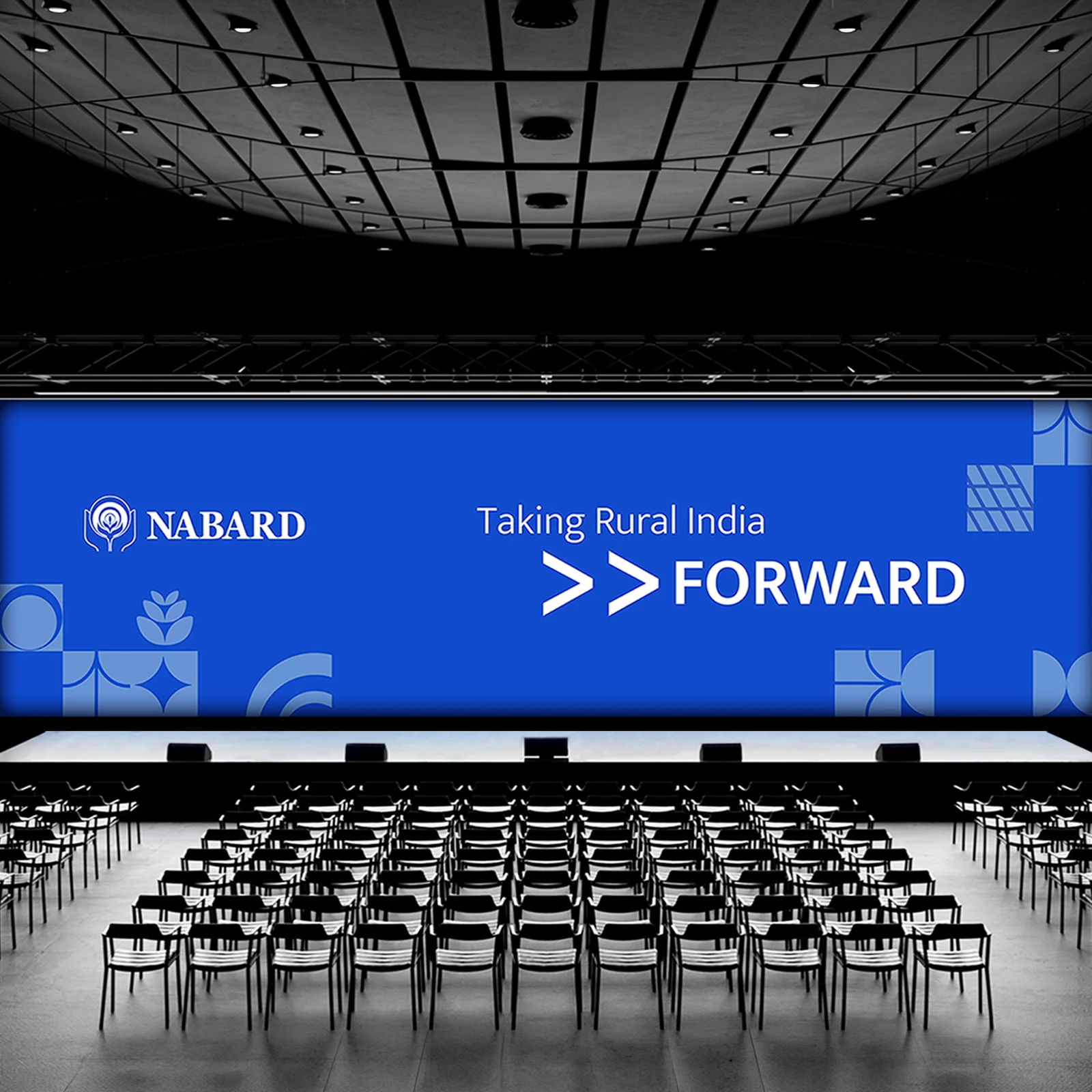
NABARD | 25 - 35% Faster communication deployment

Indegene | 25% Lower brand management effort